
Introduction to Technology Trends in 2026
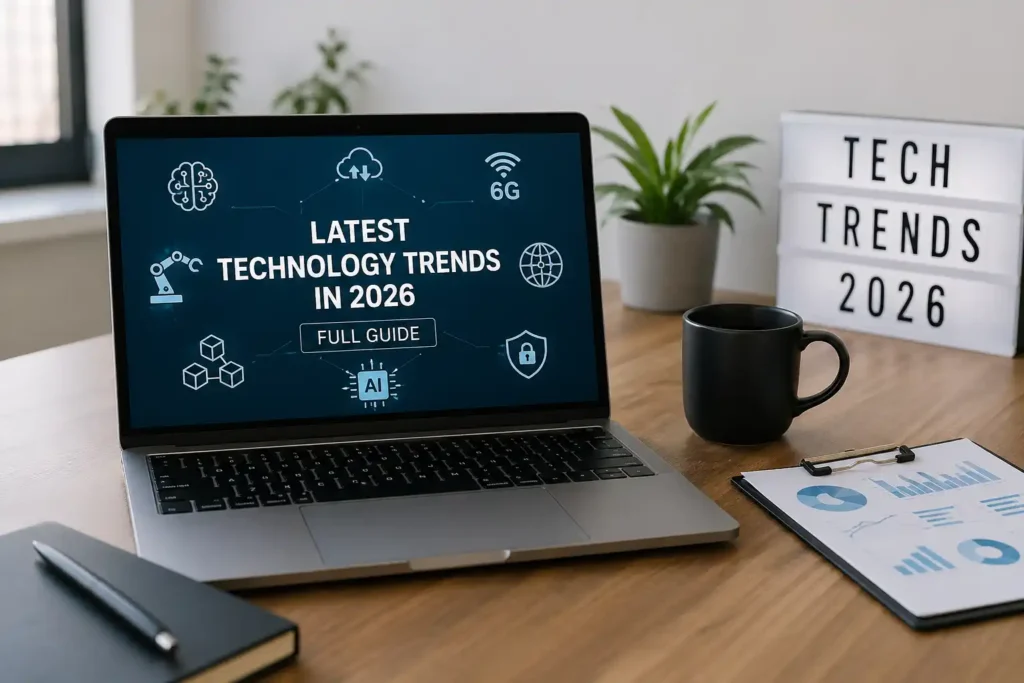
Technology in 2026 is evolving at a pace that feels both exciting and disruptive. From artificial intelligence reshaping industries to next-generation connectivity redefining communication, we are clearly entering a new phase of digital transformation. According to recent reports by global research firms like Gartner and McKinsey, over 70% of organizations are accelerating their tech adoption strategies. This shift is not limited to businesses alone. Individuals are also experiencing rapid changes in how they work, communicate, and live. Understanding these trends is no longer optional. It is essential for staying competitive, relevant, and future-ready in an increasingly tech-driven world.
Additionally, sustainability-driven technologies are gaining momentum as global climate concerns increase. Research from IDC suggests that global digital transformation spending will surpass $3 trillion, highlighting the scale of innovation. These trends collectively shape how industries operate and how individuals interact with technology daily.
Artificial Intelligence (AI) Evolution in 2026
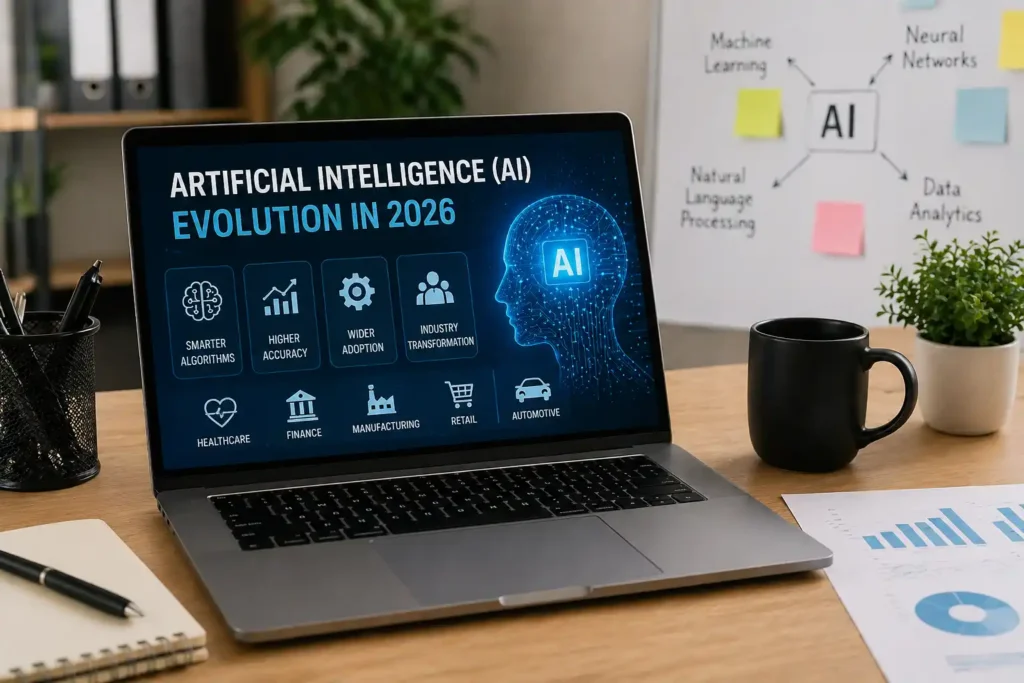
Artificial Intelligence continues to dominate as one of the most transformative technologies in 2026. It is no longer limited to automation but is actively driving innovation across sectors. From healthcare diagnostics to financial forecasting, AI systems are becoming more accurate and context-aware. Studies indicate that AI adoption has increased productivity by up to 40% in some industries. With advancements in machine learning models and computing power, AI is now deeply integrated into everyday systems. However, its rapid growth also raises concerns around ethics, bias, and governance, making responsible AI development a critical focus globally.
Quantum Computing Breakthroughs
Quantum computing is transitioning from theoretical research to practical application in 2026. Unlike classical computers, quantum systems process information using qubits, enabling them to solve complex problems exponentially faster. Tech giants like IBM and Google are investing heavily in this space, with significant breakthroughs reported in recent years. According to industry estimates, quantum computing could unlock trillions of dollars in value across sectors such as pharmaceuticals and finance. While still in its early stages, its potential to revolutionize computing power is undeniable, making it one of the most closely watched technologies today.
💚 You might also like: How to Start a Digital Agency Step by Step in 2026
Transformation of 5G to 6G
The transition from 5G to 6G represents a major leap in connectivity and communication technology. While 5G has already enabled faster internet speeds and lower latency, 6G aims to push these boundaries even further. Experts predict that 6G could offer speeds up to 100 times faster than 5G, enabling real-time data processing on a massive scale. This evolution is expected to support advanced applications such as immersive virtual experiences, smart cities, and autonomous systems. According to research from Samsung, 6G commercialization could begin by the end of this decade, marking a new era of hyper-connectivity.
Internet of Things (IoT) Expansion
The Internet of Things continues to expand rapidly in 2026, connecting billions of devices worldwide. From smart homes to industrial systems, IoT is transforming how data is collected and utilized. According to Statista, the number of IoT devices is expected to exceed 30 billion globally. This growth is enabling smarter decision-making, automation, and efficiency across industries. However, as IoT ecosystems grow, concerns around security and data privacy are also increasing. Organizations must balance innovation with robust security measures to ensure safe and reliable IoT implementation in the future.
Cybersecurity Trends in 2026
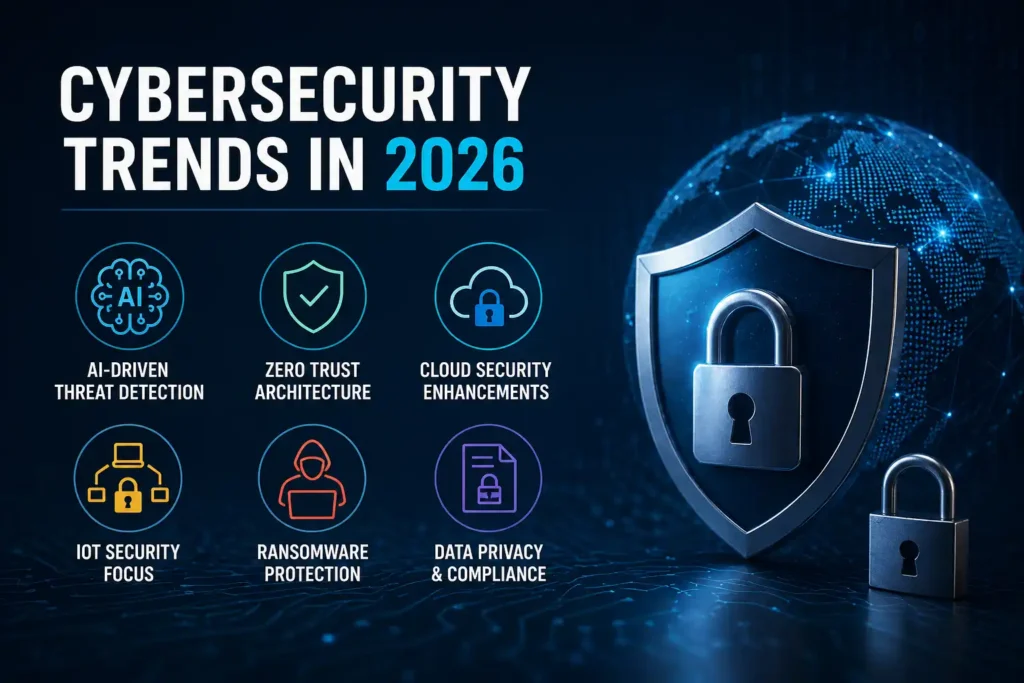
Cybersecurity in 2026 is more critical than ever as digital threats continue to evolve. With the rise of AI, cloud computing, and connected devices, attack surfaces have expanded significantly. According to Cybersecurity Ventures, global cybercrime costs are expected to reach $10.5 trillion annually. Organizations are investing heavily in advanced security solutions to protect their data and systems. From AI-driven threat detection to zero trust architectures, cybersecurity strategies are becoming more proactive and intelligent. As technology advances, the need for robust security frameworks will only continue to grow across all sectors.
Blockchain Beyond Cryptocurrency
Blockchain technology in 2026 is no longer limited to cryptocurrencies. It has evolved into a powerful infrastructure for secure, transparent, and decentralized systems across industries. According to a report by PwC, blockchain could contribute over $1.7 trillion to the global economy by 2030. Businesses are adopting blockchain to improve trust, reduce fraud, and streamline operations. Its ability to create immutable records makes it ideal for sectors like finance, supply chain, and healthcare. As adoption increases, blockchain is becoming a foundational technology that supports the next generation of digital ecosystems and decentralized applications worldwide.
💚 You might also like: Best AI Tools for Beginners: Top Picks for 2026
Augmented Reality (AR) & Virtual Reality (VR)
Augmented Reality and Virtual Reality technologies are becoming more immersive and practical in 2026. These technologies are no longer limited to gaming but are widely used in education, healthcare, and business training. According to Statista, the AR/VR market is expected to exceed $100 billion globally within the next few years. Improved hardware and software are making experiences more realistic and accessible. From virtual meetings to interactive learning environments, AR and VR are transforming how people interact with digital content. As adoption grows, these technologies are shaping the future of communication, entertainment, and professional collaboration worldwide.
Robotics and Automation
Robotics and automation are playing a crucial role in transforming industries in 2026. From manufacturing to healthcare, automated systems are improving efficiency, accuracy, and productivity. According to the International Federation of Robotics, global robot installations continue to grow steadily each year. Advanced robots powered by AI can perform complex tasks with minimal human intervention. This shift is helping businesses reduce costs and enhance operational performance. However, it also raises concerns about job displacement and workforce adaptation. As automation expands, organizations must focus on reskilling employees to stay competitive in an increasingly automated world.
Green Technology and Sustainability
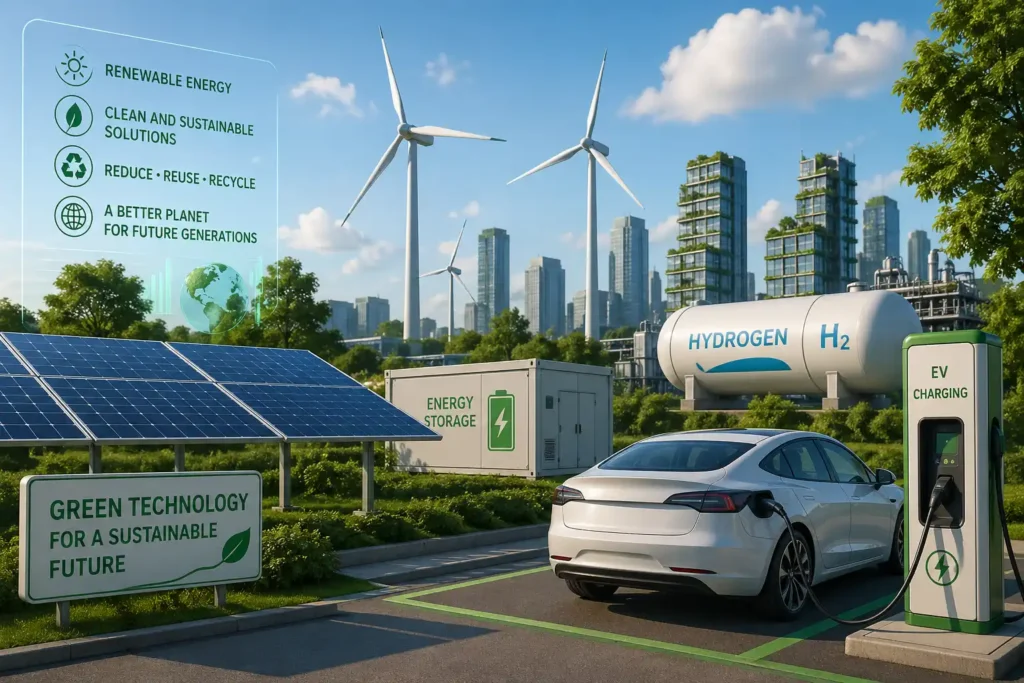
Green technology is gaining significant importance in 2026 as the world focuses on sustainability and climate change. Governments and organizations are investing heavily in clean energy and eco-friendly solutions. According to the International Energy Agency, renewable energy is expected to dominate global power generation in the coming years. Technologies like solar, wind, and energy storage systems are becoming more efficient and affordable. Businesses are also adopting sustainable practices to reduce their environmental impact. This shift toward green technology is not only beneficial for the planet but also creates new economic opportunities and drives long-term innovation across industries.
Edge Computing and Cloud Evolution
Edge computing and cloud technologies are evolving rapidly in 2026 to meet the growing demand for real-time data processing. While cloud computing remains essential, edge computing brings data processing closer to the source, reducing latency and improving performance. According to Gartner, a significant portion of enterprise data will be processed at the edge in the coming years. This shift is particularly important for applications like IoT, autonomous systems, and smart cities. By combining edge and cloud solutions, organizations can achieve greater efficiency, scalability, and responsiveness, making it a critical component of modern digital infrastructure.
Biotechnology and Health Tech Innovations
Biotechnology and health technology are advancing rapidly in 2026, transforming how diseases are diagnosed, treated, and prevented. Innovations in genomics, AI-driven diagnostics, and wearable devices are improving patient outcomes significantly. According to the World Health Organization, digital health adoption has accelerated globally, especially after the pandemic years. Personalized medicine is becoming more accessible, allowing treatments to be tailored to individual genetic profiles. These advancements are not only enhancing healthcare efficiency but also reducing costs in the long term. As technology continues to evolve, the healthcare industry is moving toward a more predictive, preventive, and patient-centered model.
Autonomous Vehicles and Smart Mobility
Autonomous vehicles and smart mobility solutions are reshaping transportation in 2026. Self-driving technology is becoming more reliable, supported by advancements in AI, sensors, and connectivity. According to industry reports, the global autonomous vehicle market is expected to grow significantly in the coming years. Governments and companies are investing in smart infrastructure to support these systems. Electric vehicles are also gaining popularity as sustainability becomes a priority. Together, these innovations are creating safer, more efficient, and environmentally friendly transportation systems. The future of mobility is shifting toward automation, connectivity, and sustainability on a global scale.
Future of Work and Digital Transformation
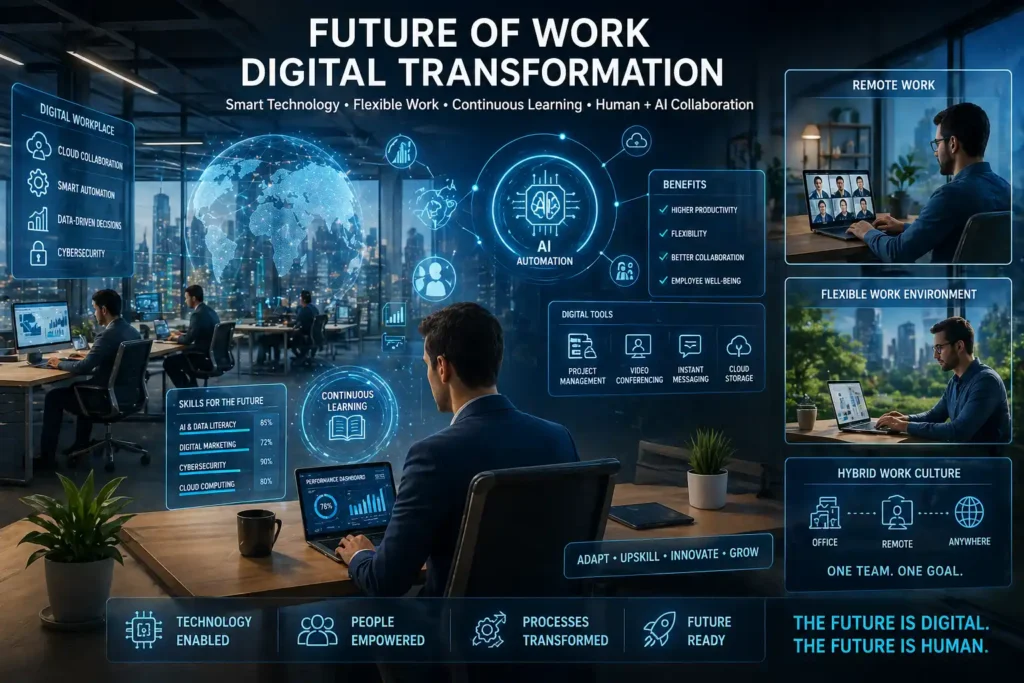
The future of work in 2026 is being shaped by digital transformation and technological innovation. Remote and hybrid work models have become standard, supported by advanced collaboration tools. According to McKinsey, companies that embrace digital transformation see significant improvements in productivity and efficiency. Automation and AI are changing job roles, requiring workers to develop new skills. Organizations are investing in digital workplaces to stay competitive and attract talent. This shift is not just about technology but also about culture and adaptability. The modern workforce must be flexible, tech-savvy, and ready to embrace continuous learning.
Impact of Technology Trends on Businesses
Technology trends in 2026 are having a profound impact on businesses of all sizes. Companies are leveraging advanced technologies to improve efficiency, reduce costs, and enhance customer experiences. According to Deloitte, organizations that adopt digital technologies are more likely to outperform their competitors. Small businesses are using affordable tech solutions to scale operations, while large enterprises are investing in innovation to maintain market leadership. The ability to adapt to technological change has become a key factor in business success. Organizations that embrace these trends are better positioned to thrive in a competitive and rapidly evolving market.
Impact on Daily Life
Technology trends in 2026 are significantly influencing daily life, making it more connected, efficient, and convenient. From smart homes to digital services, technology is integrated into almost every aspect of life. According to global surveys, people spend more time interacting with digital platforms than ever before. These advancements are improving communication, access to information, and overall quality of life. However, they also raise concerns about privacy and digital dependency. As technology continues to evolve, individuals must balance convenience with responsible usage to ensure a healthy and secure digital lifestyle.
Challenges of Emerging Technologies
While technology offers numerous benefits, it also presents significant challenges in 2026. Issues such as data privacy, cybersecurity risks, and ethical concerns are becoming more prominent. High implementation costs can be a barrier for smaller organizations, while the rapid pace of change creates skill gaps in the workforce. According to industry studies, many companies struggle to keep up with technological advancements due to a lack of expertise. Addressing these challenges requires collaboration between governments, businesses, and educational institutions. By developing clear regulations and investing in education, society can maximize the benefits of technology while minimizing its risks.
Conclusion
The technology trends of 2026 highlight a world that is increasingly driven by innovation and digital transformation. From AI and blockchain to green technology and smart mobility, these advancements are reshaping industries and daily life. Staying updated with these trends is essential for businesses and individuals alike. Those who embrace change and adapt quickly will have a significant advantage. While challenges exist, the opportunities created by technology are far greater. By understanding and leveraging these trends, we can build a more efficient, sustainable, and connected future for everyone.
FAQs
What are the latest technology trends in 2026?
The latest technology trends in 2026 include artificial intelligence, quantum computing, blockchain, IoT, cybersecurity, and green technology. These innovations are transforming industries and improving efficiency. Businesses and individuals are adopting these technologies to stay competitive and adapt to the rapidly changing digital landscape.
Which technology is most in demand in 2026?
Artificial intelligence is one of the most in-demand technologies in 2026. It is widely used across industries for automation, data analysis, and decision-making. Other high-demand technologies include cybersecurity, cloud computing, and data science, as organizations focus on digital transformation and security.
How will AI impact jobs in 2026?
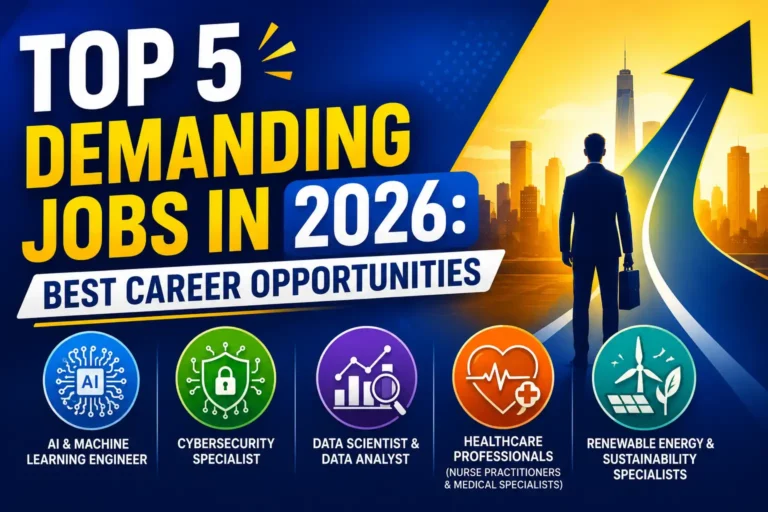
AI is reshaping the job market by automating repetitive tasks and creating new opportunities in tech-related fields. While some jobs may be replaced, new roles in AI development, data analysis, and cybersecurity are emerging. Workers need to adapt by learning new skills to stay relevant.
What is the future of technology after 2026?
The future of technology after 2026 will focus on deeper integration of AI, advancements in quantum computing, and increased use of sustainable technologies. Innovations will continue to transform industries, improve efficiency, and address global challenges, shaping a more connected and advanced world.
✨ Let’s keep leveling up together. Follow Tech Fueler.