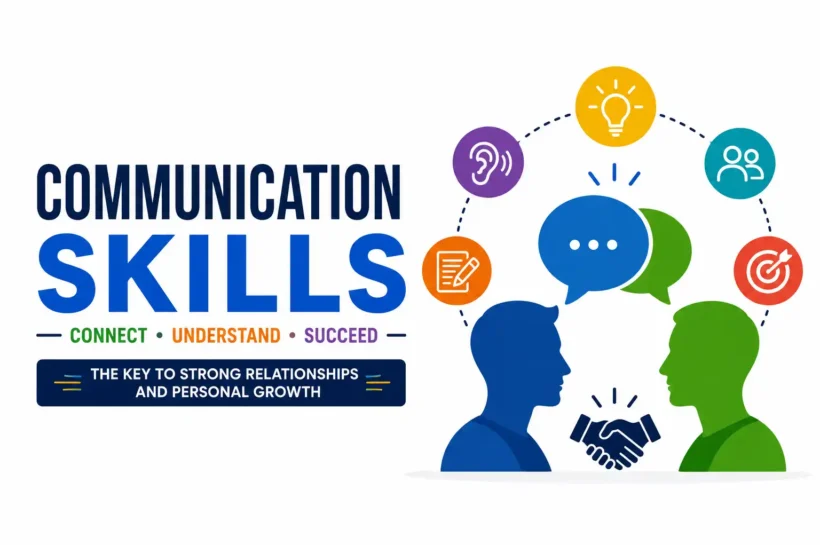

What Is Communication Skill?
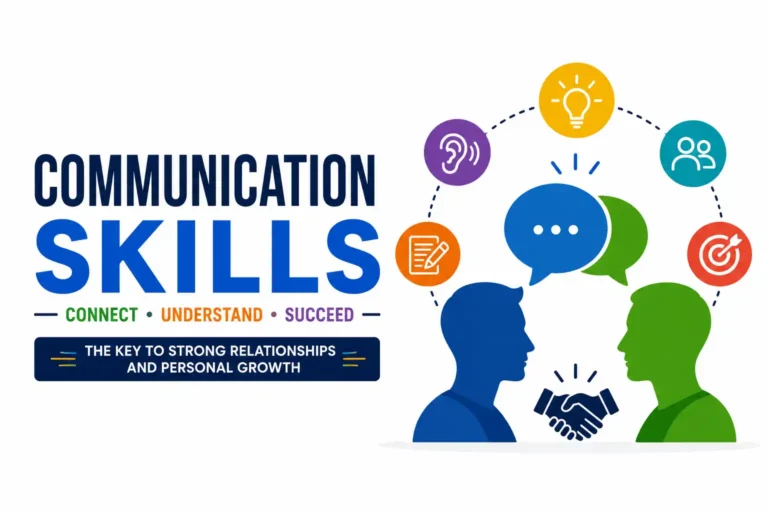
Communication skills are the ability to exchange information, ideas, emotions, and messages clearly and effectively with others. It involves more than just speaking. Strong communication includes listening, understanding, interpreting non-verbal cues, and responding appropriately in different situations. Whether in personal relationships, education, or professional settings, communication skills help people build trust, avoid misunderstandings, and collaborate more effectively. According to research from the National Association of Colleges and Employers (NACE), communication consistently ranks among the most sought-after skills by employers, highlighting its importance in both career growth and everyday interactions.
Why Communication Skills Are Important
Communication skills influence nearly every aspect of life, from building personal relationships to advancing professional careers. Effective communication helps individuals express ideas clearly, resolve conflicts, strengthen teamwork, and improve decision-making. In the workplace, employees with strong communication abilities are often better at collaboration, leadership, and customer interactions. Studies published by the Project Management Institute have shown that ineffective communication contributes to project failures and organizational inefficiencies. By developing communication skills, people can increase productivity, improve confidence, and create stronger connections in both personal and professional environments.
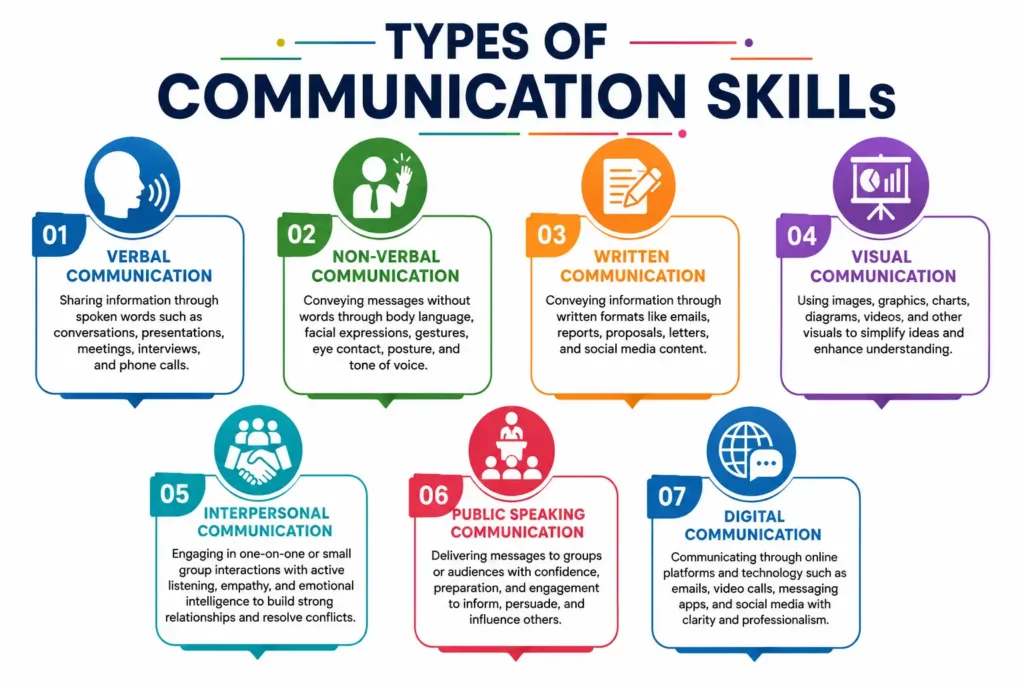
Types of Communication Skills
Verbal Communication
Verbal communication involves sharing information through spoken words. It includes conversations, presentations, meetings, interviews, and phone calls. Effective verbal communication requires clear language, appropriate tone, and confidence. Strong verbal skills help people express ideas accurately, engage audiences, and reduce misunderstandings. The ability to communicate verbally is essential in leadership, teamwork, customer service, and everyday interactions.
Non-Verbal Communication
Non-verbal communication refers to messages conveyed without words. Body language, facial expressions, gestures, eye contact, posture, and tone of voice all contribute to communication. Research suggests that non-verbal cues significantly influence how messages are interpreted. Understanding and controlling non-verbal signals can improve trust, strengthen relationships, and ensure that spoken messages align with intended meanings.
Written Communication
Written communication involves conveying information through text-based formats such as emails, reports, proposals, letters, and social media content. Strong writing skills require clarity, accuracy, proper structure, and audience awareness. Effective written communication minimizes confusion and creates a permanent record of information. In today’s business environment, professional writing remains one of the most valuable communication skills.
Visual Communication
Visual communication uses images, graphics, charts, diagrams, videos, and other visual elements to deliver information. It helps simplify complex ideas and improves audience understanding. Businesses frequently use visual communication in presentations, marketing campaigns, and training materials. Studies show that visual content is often processed faster than text, making it a powerful tool for increasing engagement and retention.
Interpersonal Communication
It involves active listening, empathy, emotional intelligence, and effective speaking. Strong interpersonal skills help people build meaningful relationships, manage conflicts, and collaborate successfully. Whether interacting with colleagues, clients, friends, or family members, interpersonal communication plays a critical role in creating positive and productive connections.
💡 Explore More Insights: Top 5 Demanding Jobs in 2026
Public Speaking Communication
Public speaking communication focuses on delivering messages to groups or audiences. It requires confidence, preparation, organization, and audience engagement. Public speaking is commonly used in business presentations, educational settings, conferences, and leadership roles. Developing public speaking skills helps individuals communicate ideas persuasively, establish credibility, and influence others while reducing anxiety associated with speaking in front of groups.
H3: Digital Communication
Digital communication refers to interactions conducted through online platforms and technology. Examples include emails, video conferencing, messaging applications, social media, and collaboration tools. As remote work and virtual collaboration continue to grow, digital communication skills have become increasingly important. Effective digital communication requires clarity, professionalism, responsiveness, and an understanding of platform-specific etiquette to maintain productive and meaningful interactions.
Essential Communication Skills Everyone Should Develop
Active Listening
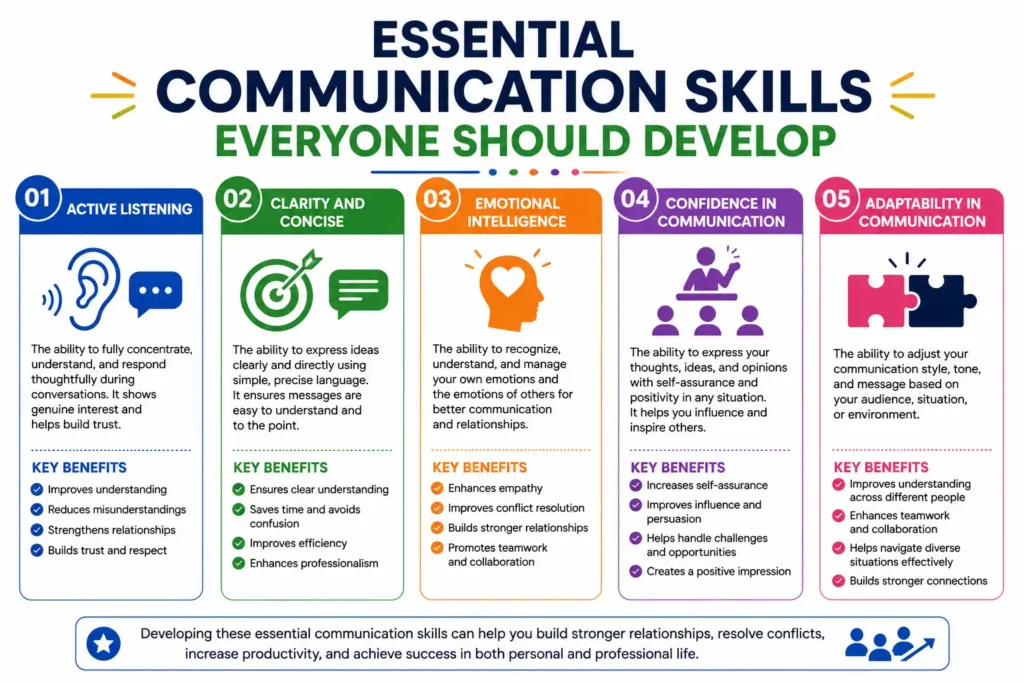
Active listening is the ability to fully concentrate, understand, and respond thoughtfully during conversations. Strong listeners ask relevant questions, clarify information, and show genuine interest. Active listening improves trust, reduces misunderstandings, and strengthens relationships. It is one of the most important communication skills in both personal and professional settings.
Clarity and Concise
Clear and concise communication helps ensure that messages are easily understood. Communicators who express ideas directly avoid unnecessary details, jargon, and confusion. Clarity reduces the risk of misunderstandings while saving time for both the speaker and the audience. Whether writing an email or delivering a presentation, concise communication improves efficiency and helps people focus on the most important information.
Emotional Intelligence
Emotional intelligence is the ability to recognize, understand, and manage emotions in yourself and others. It plays a critical role in effective communication because emotions often influence how messages are delivered and received. Individuals with high emotional intelligence can navigate difficult conversations, manage conflicts, and build stronger relationships. This skill helps create positive interactions and improve collaboration in diverse environments.
Empathy and Understanding
Communicators who demonstrate empathy create stronger connections and foster mutual respect. This skill helps people respond appropriately during conversations and avoid misunderstandings. In workplaces and personal relationships alike, empathy encourages open dialogue, improves teamwork, and helps individuals address concerns in a supportive and constructive manner.
Confidence in Communication
Confidence allows individuals to express ideas clearly and assertively without appearing aggressive. Confident communicators maintain appropriate eye contact, use a steady tone of voice, and communicate their thoughts with conviction. Confidence helps build credibility and trust while encouraging others to engage with the message. Developing confidence often comes through preparation, practice, and a deeper understanding of the subject being discussed.
Persuasion and Influence
Persuasion is the ability to encourage others to consider ideas, take action, or change perspectives through effective communication. Successful persuasion relies on logic, credibility, emotional appeal, and audience understanding. Professionals frequently use persuasive communication in leadership, sales, negotiations, and marketing. When used ethically, persuasion helps create alignment, gain support for initiatives, and achieve desired outcomes.
Constructive Feedback
Constructive feedback provides helpful insights aimed at improving performance, behavior, or outcomes. Effective feedback is specific, respectful, and focused on solutions rather than criticism. It encourages growth while maintaining positive relationships. In the workplace, constructive feedback supports employee development, strengthens teamwork, and improves productivity. Learning how to give and receive feedback effectively is an essential communication skill.
💡 Explore More Insights: Schedow: Smart AI Scheduling for Better Productivity in 2026
Benefits of Communication Skills in the Workplace
Teams that communicate clearly are better equipped to solve problems, share knowledge, and achieve common goals. According to research by Gallup, organizations with strong communication practices often experience higher employee engagement and better overall performance. Communication also plays a key role in leadership, customer service, conflict resolution, and project management. By strengthening communication skills, employees can build stronger professional relationships, increase efficiency, and create a more positive and productive work environment.
Common Barriers to Effective Communication
Language and Cultural Differences
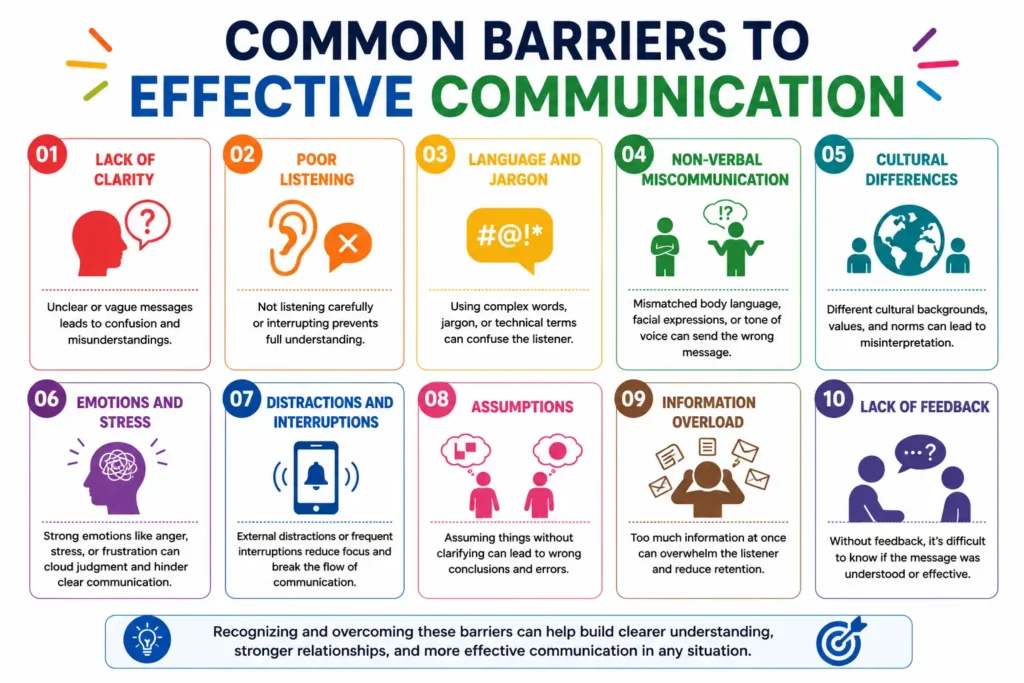
Language and cultural differences can affect how messages are interpreted and understood. Words, expressions, gestures, and communication styles often vary across cultures. Misunderstandings may occur when individuals assume everyone shares the same cultural norms. Developing cultural awareness and using clear language can help bridge communication gaps, improve collaboration, and foster stronger relationships in diverse environments.
Emotional Barriers
Emotions such as stress, anger, frustration, or anxiety can interfere with effective communication. Strong emotions may affect how people express themselves and interpret messages from others. Emotional barriers often lead to misunderstandings or defensive reactions. Managing emotions and practicing emotional intelligence can help individuals communicate more effectively, especially during challenging conversations or high-pressure situations.
Physical and Environmental Barriers
Physical and environmental barriers include factors that make communication difficult, such as noise, distance, poor lighting, or inadequate meeting spaces. These distractions can reduce focus and affect message clarity. In workplace settings, environmental obstacles may interfere with collaboration and productivity. Creating a comfortable and distraction-free environment helps improve communication and supports better understanding among participants.
Technological Barriers
Technology has improved communication, but it can also create challenges. Poor internet connections, software issues, communication overload, and a lack of digital skills may disrupt interactions. Virtual communication can sometimes make it harder to interpret tone and body language. Organizations can reduce technological barriers by providing reliable tools, training, and clear communication guidelines for digital platforms.
Poor Listening Habits
Poor listening is one of the most common communication barriers. People may become distracted, interrupt others, or focus on preparing responses instead of understanding the message. These habits can lead to misunderstandings and misinformation. Developing active listening skills helps individuals stay engaged, improve comprehension, and create more productive and respectful conversations.
Misinterpretation and Assumptions
Misinterpretation occurs when people assign incorrect meanings to messages, often based on assumptions rather than facts. Differences in experiences, perspectives, and expectations can contribute to misunderstandings. Assuming intentions without clarification may create unnecessary conflicts. Asking questions, confirming understanding, and encouraging open communication can help prevent misinterpretation and improve the accuracy of shared information.
Practical Exercises to Strengthen Communication Skills
Mirror Speaking Practice
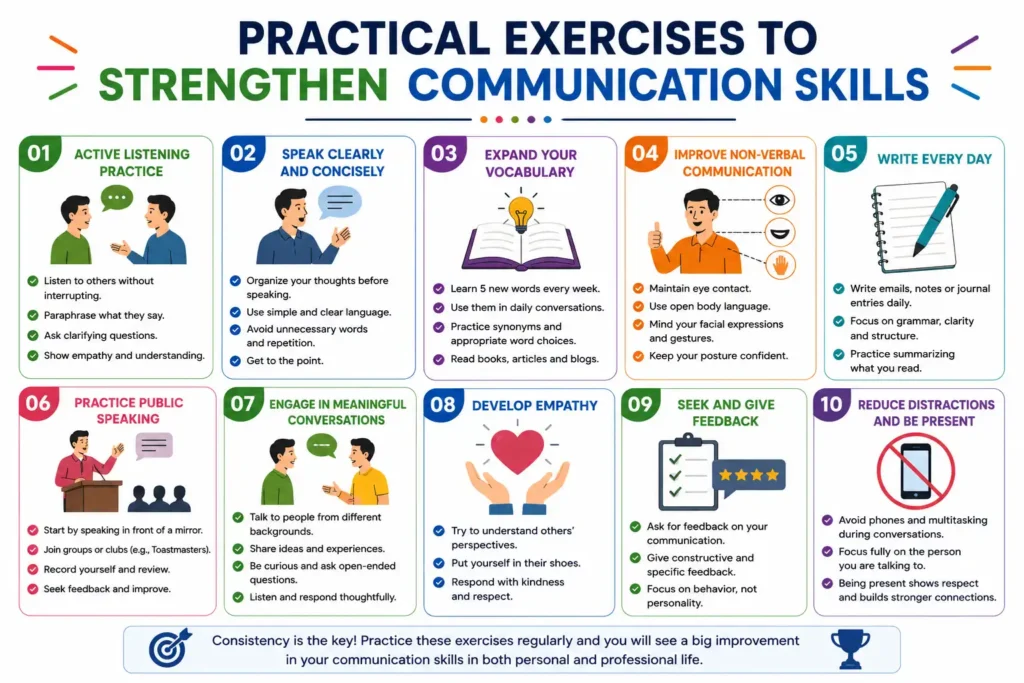
Mirror speaking is a simple yet effective exercise for improving communication skills. By speaking in front of a mirror, individuals can observe their facial expressions, body language, posture, and eye contact. This practice helps identify distracting habits and build confidence during conversations. Regular mirror speaking also improves verbal clarity and self-awareness, making communication more natural and engaging over time.
Role-Playing Conversations
Role-playing allows individuals to practice real-life communication scenarios in a controlled environment. Whether preparing for a job interview, client meeting, or difficult conversation, role-playing helps develop confidence and problem-solving skills. Participants can experiment with different responses and communication styles while receiving feedback. This exercise strengthens interpersonal communication and improves the ability to handle various situations effectively.
Storytelling Exercises
Storytelling is a valuable exercise for improving communication because it helps organize thoughts and engage audiences. Sharing personal experiences or creating short narratives encourages clear message delivery and audience connection. Storytelling also enhances creativity, confidence, and verbal communication skills. Professionals often use storytelling techniques to make presentations more memorable, persuasive, and impactful for their listeners.
Recording and Reviewing Your Speech
Recording yourself while speaking can reveal communication habits that often go unnoticed. By reviewing recordings, individuals can evaluate their tone, pace, pronunciation, filler words, and overall delivery. This exercise provides valuable self-feedback and helps identify areas for improvement. Consistent practice allows speakers to refine their communication style and become more effective in professional and social settings.
Daily Listening Challenges
Listening is a critical part of communication, yet it is often overlooked. Daily listening challenges encourage individuals to focus entirely on understanding others without interrupting or planning responses. Practicing attentive listening improves comprehension, empathy, and relationship-building skills. Over time, stronger listening habits lead to more productive conversations and fewer misunderstandings in both personal and professional interactions.
Joining Group Discussions and Debates
Participating in group discussions and debates helps individuals develop confidence, critical thinking, and public speaking abilities. These activities encourage participants to express ideas clearly, respond to opposing viewpoints, and engage respectfully with others. Group discussions also improve listening and collaboration skills. Regular participation strengthens communication abilities while preparing individuals for workplace meetings and leadership opportunities.
💡 Explore More Insights: Pasonet :- Smart & Flexible Digital Networking Platform
Common Communication Mistakes to Avoid
Many communication problems occur not because people lack knowledge but because they develop habits that weaken their message. Common mistakes include interrupting others, making assumptions, failing to listen actively, using unclear language, and ignoring non-verbal cues. Overloading conversations with unnecessary information can also create confusion. In professional environments, poor communication often leads to misunderstandings, missed opportunities, and reduced productivity. By recognizing these mistakes and making conscious improvements, individuals can communicate more effectively, build stronger relationships, and ensure their messages are understood as intended.
Frequently Asked Questions
What are communication skills?
Communication skills are the abilities used to share, receive, and interpret information effectively. They include speaking, listening, writing, reading, non-verbal communication, and interpersonal interaction. Strong communication skills help individuals express ideas clearly, build relationships, and collaborate successfully in personal and professional environments.
Why are communication skills important?
Communication skills are important because they improve understanding, strengthen relationships, and support effective collaboration. They help individuals resolve conflicts, share ideas confidently, and achieve goals more efficiently. Strong communication skills also contribute to career growth, leadership success, and better teamwork in the workplace.
What are the 7 types of communication skills?
The seven major types of communication skills include verbal communication, non-verbal communication, written communication, visual communication, interpersonal communication, public speaking communication, and digital communication. Each type serves a different purpose and plays an important role in helping people communicate effectively across various situations.
How can I improve my communication skills quickly?
You can improve communication skills by practicing active listening, speaking clearly, expanding your vocabulary, observing body language, and seeking constructive feedback. Activities such as mirror speaking, storytelling, and participating in discussions can also accelerate improvement. Consistent practice is the key to becoming a more confident communicator.
What are the biggest barriers to communication?
Some of the most common communication barriers include language differences, cultural misunderstandings, emotional reactions, environmental distractions, technological issues, poor listening habits, and incorrect assumptions. Identifying and addressing these barriers helps improve message clarity and reduce misunderstandings.
How do communication skills help in the workplace?
Communication skills help employees collaborate effectively, solve problems, manage conflicts, and build professional relationships. Strong communicators are often better at teamwork, leadership, customer service, and project management. Effective workplace communication also improves productivity, employee engagement, and organizational success.
Can communication skills be learned and improved?
Yes, communication skills can be learned and strengthened through practice and experience. Activities such as active listening exercises, public speaking practice, role-playing, and feedback sessions help individuals improve over time. Like any skill, communication becomes stronger with consistent effort and application.
Is verbal and non-verbal communication different?
Verbal communication involves the use of spoken or written words to convey information. Non-verbal communication relies on body language, facial expressions, gestures, posture, eye contact, and tone of voice. Both forms work together to shape how messages are delivered and interpreted.
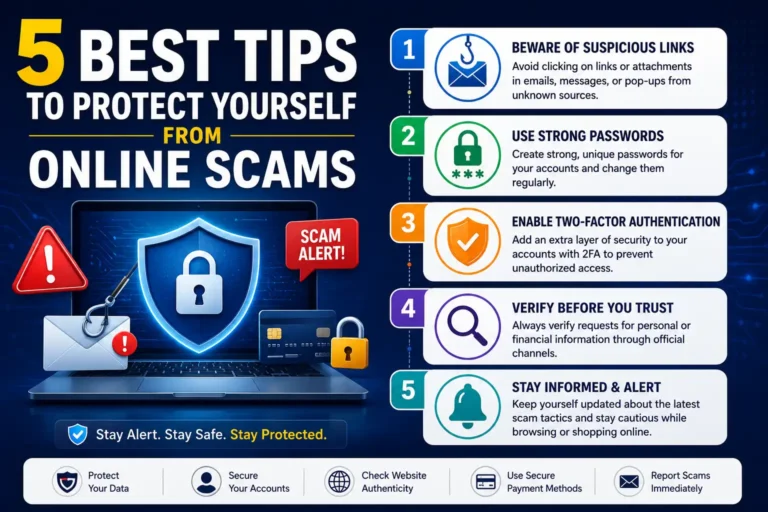
💡 Explore More Insights: 5 Best Tips to Protect Yourself From Online Scams
Conclusion
Communication skills are among the most valuable abilities a person can develop. They influence how we build relationships, solve problems, collaborate with others, and achieve personal and professional goals. From active listening and empathy to public speaking and digital communication, each skill contributes to stronger and more meaningful interactions. While communication challenges are common, they can be overcome through awareness and practice. By continuously improving communication skills, individuals can increase confidence, enhance workplace performance, and create lasting positive connections in every area of life.
🔍 Find answers before everyone else. Follow Tech Fueler.