
What Is Pasonet?
Pasonet is an emerging digital concept often associated with connected systems, online communication, and smart networking environments. While the term can be interpreted in different ways depending on context, Pasonet is generally understood as a platform or framework that supports digital interaction between users, devices, or services. It focuses on making communication faster, smoother, and more connected across modern digital spaces. As businesses continue moving toward cloud-based operations and smarter workflows, systems like Pasonet are gaining more attention. It represents the shift toward flexible, scalable, and user-friendly digital networking built for today’s internet-driven world.
Why Is Pasonet Growing in 2026?
Pasonet is growing in 2026 because demand for connected digital ecosystems continues to rise across industries. Businesses now depend more on remote collaboration, cloud tools, and real-time data exchange than ever before. According to recent Statista reports, global digital transformation spending is expected to pass $4 trillion in the coming years, showing how strongly organizations are investing in smarter systems. Pasonet fits into this shift by offering flexible connectivity, easier communication, and adaptable digital infrastructure. Its growing online visibility is also linked to increasing interest in modern networking platforms that can support both users and businesses efficiently.
Key Features of Pasonet
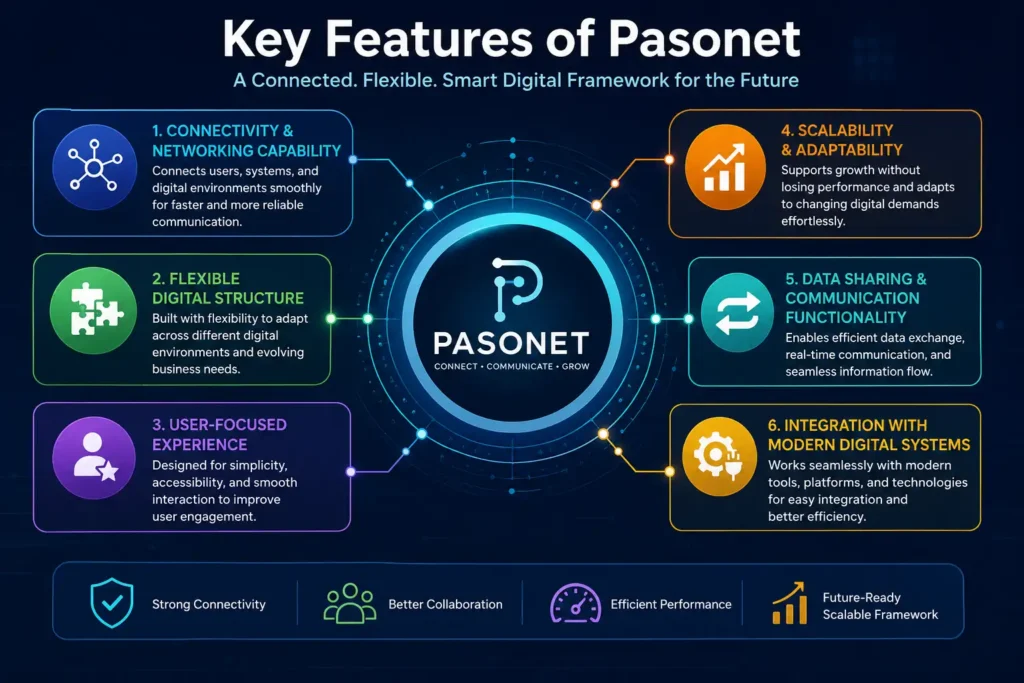
Connectivity and Networking Capability
One of the strongest features of Pasonet is its ability to connect users, systems, and digital environments smoothly. It supports faster communication between connected points, helping information move efficiently. This kind of networking capability makes it useful in digital spaces where reliability, speed, and continuous connection are important for daily operations and user interaction.
Flexible Digital Structure
Pasonet is built with flexibility in mind, which makes it easier to adapt across different digital environments. Whether used in a business workflow, platform infrastructure, or online service, it can adjust based on changing needs. This flexible structure allows organizations to scale operations without rebuilding their systems from the ground up.
User-Focused Experience
A major reason behind Pasonet’s popularity is its user-focused experience. It is designed around simplicity, accessibility, and smoother interaction. Users can navigate, communicate, or exchange information without unnecessary complexity. This improves engagement while making the overall experience feel more efficient, modern, and practical for both individuals and teams.
Scalability and Adaptability
Pasonet supports growth without losing performance, which makes scalability one of its most valuable strengths. As digital demands increase, the system can expand alongside them. Its adaptable structure also makes it useful in different industries, allowing businesses or platforms to respond quickly to change without slowing down operations.
💚 You might also like: WhatsApp Automation: Complete Guide for Businesses
Data Sharing or Communication Functionality
Data sharing and communication are central to how Pasonet functions. It helps move information between connected users or systems in a structured and efficient way. Whether it involves messages, workflow updates, shared resources, or real-time collaboration, the goal is to keep communication smooth, fast, and easy to manage.
Integration with Modern Digital Systems
Pasonet works well with modern digital systems, which makes adoption easier for businesses and online platforms. It can fit into existing workflows, software environments, or connected technologies without creating major disruptions. This integration capability makes it valuable for organizations looking to modernize operations while staying efficient and future-ready.
Main Uses of Pasonet
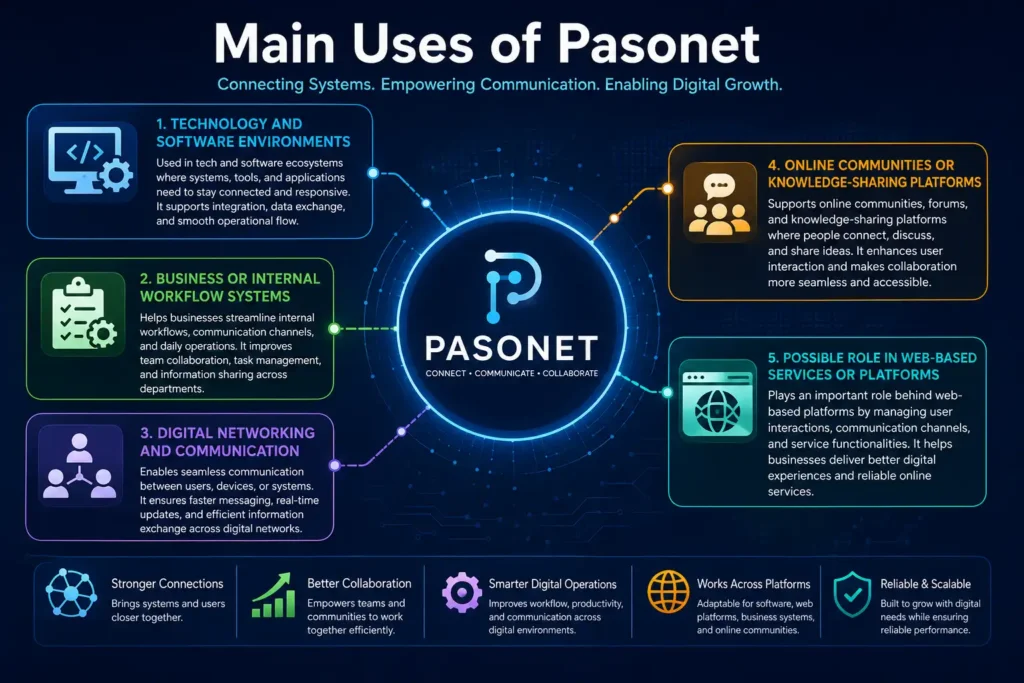
Pasonet is used across a wide range of digital environments where connection, communication, and information sharing are essential. Its flexible structure allows it to fit into business systems, software platforms, and modern online networks. As digital operations become more connected, tools like Pasonet are increasingly valuable for managing workflows, improving collaboration, and supporting communication between users or systems. From internal company operations to web-based services, its applications continue expanding. Because it can adapt to different digital needs, Pasonet is seen as a practical solution for organizations and platforms looking to build smarter connected environments.
Technology and Software Environments
Pasonet can be used in technology and software environments where systems need to stay connected and responsive. It supports communication between tools, applications, or digital frameworks while improving operational flow. This makes it useful in software ecosystems where speed, integration, and reliable connectivity are key parts of performance.
Business or Internal Workflow Systems
Businesses can use Pasonet to support internal workflows, communication channels, and day-to-day digital operations. It helps teams stay connected while reducing delays in information sharing. Whether managing tasks, updates, or collaboration across departments, it can improve workflow efficiency inside modern organizations.
Digital Networking and Communication
Digital networking is one of the most practical uses of Pasonet. It allows users, devices, or systems to exchange information in a more connected way. This improves communication speed and creates smoother digital interaction across platforms where continuous data exchange is important.
Online Communities or Knowledge-Sharing Platforms
Pasonet may also support online communities and knowledge-sharing platforms where people interact, communicate, and exchange ideas. In these environments, strong digital connectivity helps users access information quickly while making collaboration and discussions more seamless and accessible.
Possible Role in Web-Based Services or Platforms
Web-based platforms often depend on connected digital systems, which is where Pasonet can provide value. It may help manage communication, user interaction, or service functionality behind the scenes. This makes it relevant for modern websites, digital services, and platform-based ecosystems.
Benefits of Pasonet
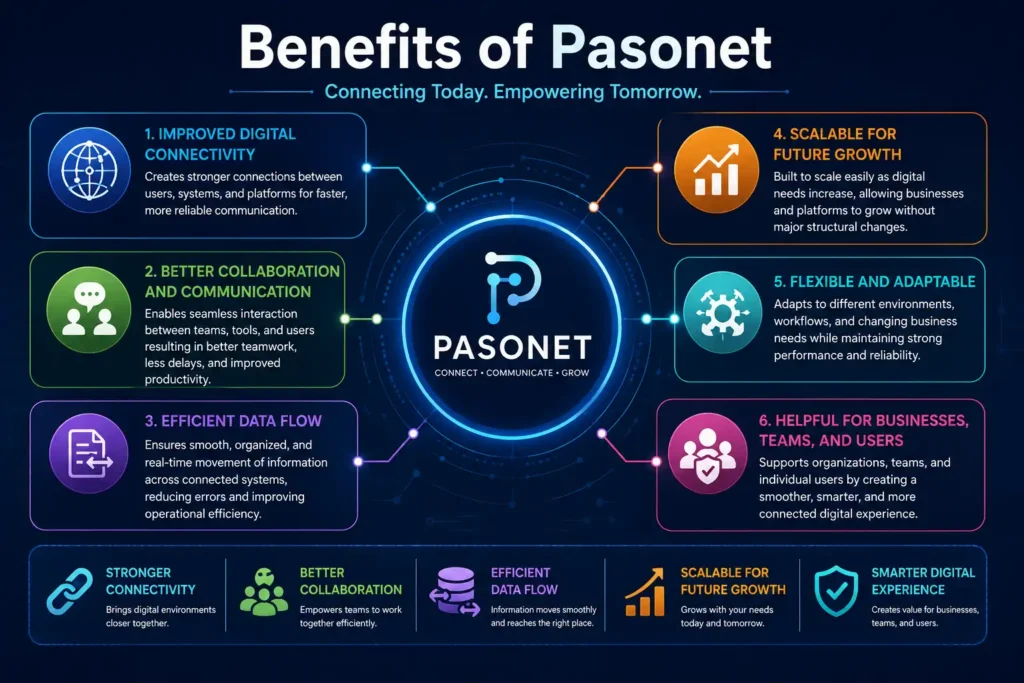
Pasonet offers several benefits for users, businesses, and digital platforms that rely on strong connectivity and smooth communication. Its biggest advantage is the ability to support connected digital operations while staying flexible enough for future growth. As more companies adopt cloud systems and digital-first workflows, the need for scalable communication frameworks continues to increase. Research from Gartner shows that connected digital infrastructure remains a major priority for organizations investing in transformation strategies. Pasonet supports that direction by helping improve collaboration, simplify information flow, and create more efficient digital experiences across modern connected environments.
Improved Digital Connectivity
Pasonet helps improve digital connectivity by creating stronger links between systems, users, or platforms. This makes communication faster and more reliable. Better connectivity also reduces friction in digital operations, allowing information to move smoothly where it is needed.
Better Collaboration and Communication
Collaboration becomes easier when systems are connected effectively. Pasonet supports communication between users, teams, or digital tools in a more structured way. This can improve teamwork, reduce delays, and create a smoother working experience in both business and online environments.
Efficient Data Flow
One of the practical benefits of Pasonet is efficient data flow. Information can move between connected points with less delay and better organization. This supports faster updates, stronger communication, and more responsive digital processes across platforms and systems.
Scalable for Future Growth
Pasonet is designed to scale as digital needs grow. Businesses and platforms can expand their operations without needing major structural changes. This makes it useful for long-term digital growth where flexibility and performance both matter.
Helpful for Businesses, Teams, and Users in Digital Ecosystems
Because it supports communication and connectivity, Pasonet can benefit businesses, teams, and everyday users. It creates a smoother digital experience while helping connected systems function more effectively. That makes it useful across many different digital ecosystems.
💚 You might also like: 5 Best Tips to Protect Yourself From Online Scams
How Pasonet Works
Pasonet works by creating a connected digital environment where communication, interaction, and information flow can happen smoothly between users or systems. At its core, it acts as a structure that supports networking and digital exchange in an organized way. Rather than functioning as a single tool, it can be understood as a connected framework that helps digital processes move efficiently. Whether it involves users sharing information, systems exchanging data, or platforms working together, the main goal is seamless interaction. This connected approach makes Pasonet useful in modern digital ecosystems where speed and flexibility matter.
Basic Working Concept Explained in Simple Words
In simple terms, Pasonet works like a digital connection layer that helps different parts of a system communicate with each other. It keeps information moving between connected points while making the overall process feel smoother, faster, and easier to manage.
How Users or Systems Interact With It
Users or systems interact with Pasonet by sharing information, sending communication, or accessing connected services through the network. These interactions happen in real time or through structured digital processes, depending on how the environment is built.
How Data, Communication, or Processes Move Within the Network
Inside the network, data and communication move between connected users, tools, or systems through a digital flow structure. This helps information reach the right place efficiently while keeping communication organized and reducing delays across the environment.
Role of Intelligent or Connected Frameworks
Connected frameworks play an important role in how Pasonet functions. They help organize communication, manage interactions, and support the movement of data across the system. This creates a smarter digital environment built around connectivity and efficient operation.
Pasonet vs Traditional Digital Networks
Pasonet stands apart from traditional digital networks because it is built around flexibility, faster communication, and modern digital interaction. Traditional networks were mainly designed to connect systems through fixed structures, while newer frameworks like Pasonet focus more on adaptability, scalability, and real-time connectivity. As businesses increasingly depend on cloud tools, remote collaboration, and connected platforms, digital infrastructure has also evolved. Pasonet reflects this shift by supporting smoother interaction between users, platforms, and systems. Compared with older networking models, it feels more responsive to the needs of today’s fast-changing digital environment.
| Comparison Point | Pasonet | Traditional Digital Networks | Cloud-Based Networks | Flexible, but often depends on cloud provider setup |
| Flexibility | Highly flexible and adapts quickly to changing digital needs | Fixed structure with limited adaptability | Flexible, but often depends on the cloud provider setup | Extremely adaptive with real-time automation support |
| Speed & Performance | Fast communication and smooth data exchange | Moderate speed, often slower in complex systems | High-speed access with cloud optimization | Very fast due to connected and intelligent workflows |
| Scalability | Easy to scale as users or systems grow | Scaling often requires hardware or infrastructure upgrades | Highly scalable through cloud resources | Built to scale across large digital ecosystems |
| User Experience | User-friendly and designed around seamless interaction | More technical and system-focused | Accessible from anywhere with internet access | Interactive, responsive, and highly personalized |
| Integration | Easily integrates with modern tools and platforms | Integration can be complex and slower | Strong integration with SaaS and cloud services | Supports deep integration across devices and services |
| Best Use Case | Digital collaboration, connected systems, and flexible workflows | Traditional IT infrastructure and local network operations | Remote work, cloud apps, and distributed teams | AI-driven platforms, smart systems, and connected environments |
Pros & Cons of Pasonet
Like any digital framework, Pasonet comes with both advantages and limitations. Its strengths are mainly tied to connectivity, communication, and scalability, which make it attractive in modern digital environments. At the same time, how effective it is can depend on how it is implemented or used within a system. Businesses exploring connected technologies often look for solutions that balance flexibility with performance, and Pasonet appears to offer both. Understanding the pros and cons helps create a clearer picture of where it fits and why interest around it continues to grow.
Pros
Pasonet offers strong digital connectivity, smoother communication, and flexible integration across systems. It can improve collaboration, support efficient data movement, and scale as digital needs grow. Its adaptable design makes it valuable for businesses, platforms, and users operating in modern connected environments.
Cons
Because Pasonet is still an emerging term, definitions around it can vary depending on context. This can sometimes create confusion for users researching it online. Its effectiveness may also depend on the specific platform, technology stack, or digital infrastructure using it.
More Latest Advancements in Pasonet
The future of Pasonet looks closely connected to the broader growth of digital transformation, cloud infrastructure, and connected technologies. As more businesses invest in scalable systems and smarter communication frameworks, demand for flexible networking environments will likely continue increasing. According to IDC, global spending on digital transformation remains on a strong upward trend, which supports the rise of platforms built around connectivity and integration. Pasonet fits naturally into this direction. Whether used in software, digital communication, or platform ecosystems, its role could continue expanding as modern digital environments become more connected and intelligent.
FAQs
What does Pasonet mean?
Pasonet generally refers to a digital networking concept connected with communication, connectivity, or online system interaction. Its meaning can vary depending on context, but it is commonly linked with modern connected digital environments.
Is Pasonet a company or a platform?
Pasonet can be interpreted as either a platform, digital framework, or network-related concept depending on where the term is being used. Its exact meaning often depends on the context surrounding it.
What is Pasonet used for?
Pasonet is used for digital connectivity, communication, workflow support, information sharing, and connected online interactions. It may apply across business systems, software environments, and web-based platforms.
Why is Pasonet trending online?
Pasonet is gaining attention online because interest in connected technologies, digital networking, and scalable online systems continues to grow. More users are searching for modern frameworks that support digital interaction.
Is Pasonet related to technology or networking?
Yes. Pasonet is strongly associated with technology, digital networking, communication systems, and connected digital infrastructure.
How does Pasonet work?
Pasonet works by creating a connected environment where users, systems, or platforms can exchange information, communicate, and interact more efficiently through digital networks or structured frameworks.
💚 You might also like: 5 Best E-commerce Platforms for Online Stores 2026
Conclusion
Pasonet is becoming an increasingly talked-about term in digital spaces because it reflects where technology is moving toward stronger connectivity, smarter communication, and more flexible systems. Whether viewed as a platform, framework, or digital networking concept, its value comes from helping users and systems stay connected in efficient ways. From business workflows to web-based services, its potential applications are broad and growing. As digital ecosystems continue evolving, Pasonet represents a modern approach built around adaptability, scalability, and connected experiences designed for the future of technology.
✨ Love this energy? Get more, follow Tech Fueler.